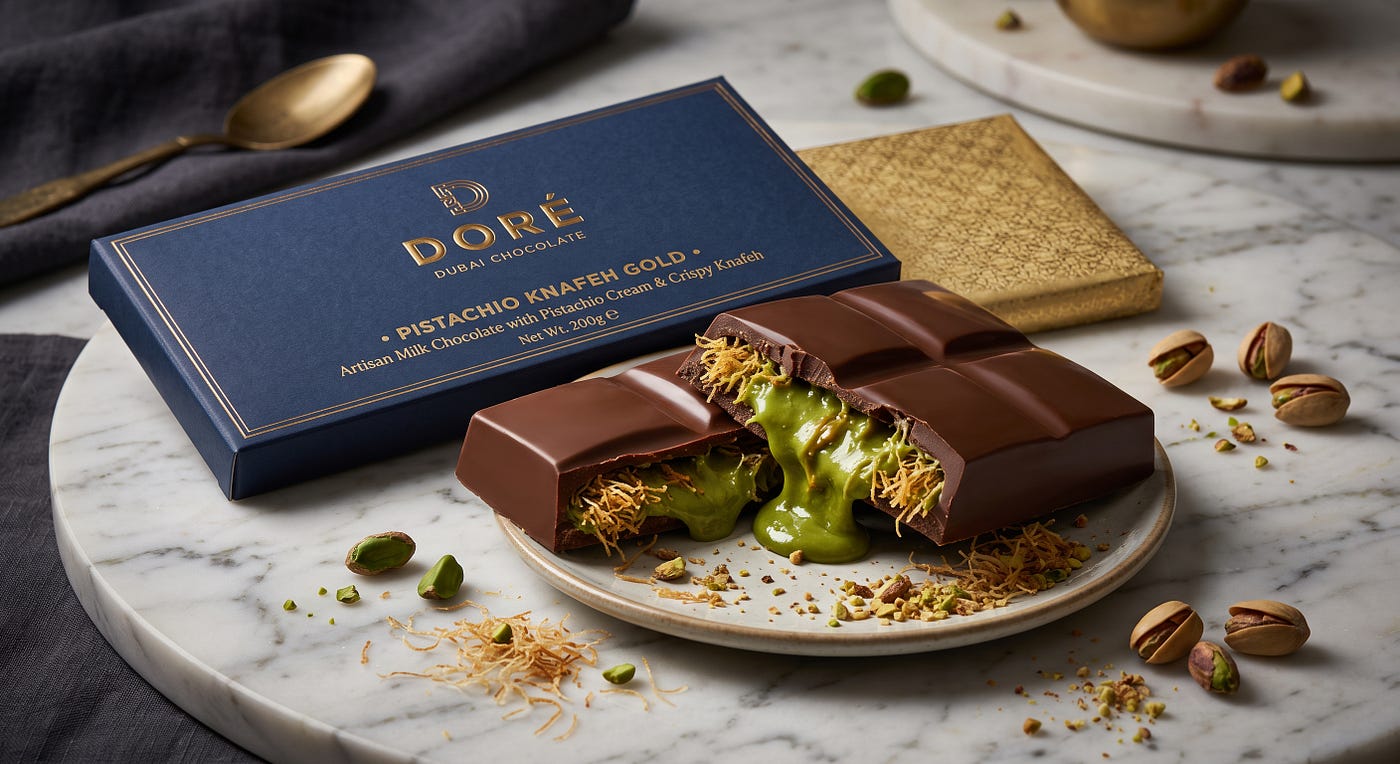
On 24 September, World of Sweets recalled two products from its Alyan Dubai Style range — Chocolate Truffles (120g, product code 319456) and Crunchy Knafeh and Pistachio Milk Chocolate (100g, product code 318591) — after Salmonella was found in them. The recall started in England and Northern Ireland and was extended the following day to Wales and Scotland, so it's now a UK-wide "do not eat" alert. The FSA's advice follows the standard line for Salmonella: fever, diarrhoea and abdominal cramps as the main symptoms, and anyone affected should stay off work, school or nursery for 48 hours after symptoms clear. Retailers have been told to pull the stock, put up point-of-sale notices, and refund customers. No illnesses had been reported at the time of the alert.
A few things stand out to me as an auditor, beyond the recall mechanics themselves, which by the look of it were handled properly and quickly.
First, this is chocolate. Low water activity, low moisture — historically one of the product categories which is low risk for pathogenic growth, but Salmonella is always considered a risk. The Cadbury recall in 2006 and Ferrero's Kinder recall in 2022 showed the risk of Salmonella in chocolate products, either from the chocolate or the raw materials being used. If you or your suppliers make anything in the confectionery space and your HACCP study still treats pathogen contamination as a low-likelihood hazard because "chocolate is dry," it's worth revisiting that call with current outbreak data in front of you, not received wisdom.
Second, this sits in a fast-growing, largely imported product category — "Dubai-style" chocolate has exploded in the UK over the past year or two, much of it coming in through smaller importers and distributors rather than established manufacturers with long-standing BRCGS or equivalent certification. If you're a retailer or wholesaler stocking these lines, this is the moment to actually look at your approved supplier list rather than assume it's fine because it's been selling well. Ask for the supplier's current certification status, their pathogen testing regime for finished product, and their own traceability back through the supply chain — knafeh, pistachio paste and chocolate can each come from a different country before they meet in the same wrapper, and each join in that chain is a place contamination can get in without anyone downstream knowing.
Another issue to consider with the Dubai chocolate trend is the risk of allergens not being declared, with the FSA issuing a warning in 2025 that some Dubai-style chocolates contain undeclared allergens such as peanuts or sesame.
Third, and this is the one I'd actually act on this week: could you run this recall yourself, today, at this speed? A two-day extension from an initial notice to a full four-nations recall is fast. If your last mock recall exercise is more than a year old, or if it's never actually tested whether you can trace a batch code back to source and out to every customer within a working day, that's the gap this story is pointing at. It's cheap to test now and expensive to discover you can't do it when it matters.
Conclusion
Sites need a robust raw material and HACCP risk assessment of the products they produce.
Approve suppliers and review them annually.
Keep your allergen risk assessment up to date with horizon scanning.
Test your crisis management and product recall procedure at least annually.