Every BRCGS standard requires internal audits, so most sites tick the box and move on. But there's a difference between an internal audit that satisfies the standard as a tick-box exercise — believe me, I have seen plenty of those in my auditing life — and one that actually strengthens your system. The gap between the two is management commitment and training.
Is the audit there just to tick a box, pass the audit and get the certificate, or is it actually challenging the systems, the people and the controls?
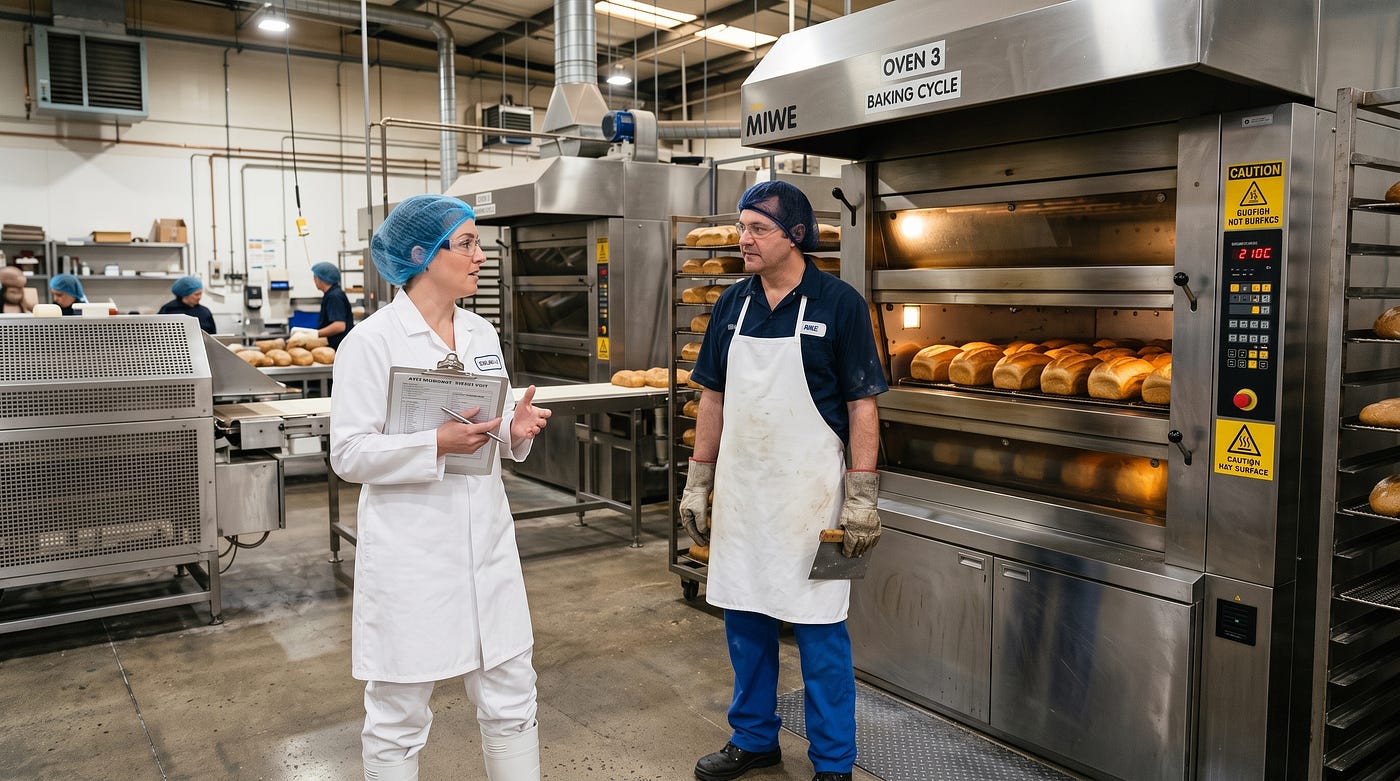
The core problem can be lack of training, or someone auditing their own work or their own department's work. This isn't going to catch everything. Not through dishonesty — through familiarity. You stop seeing the things you walk past every day. An experienced, independently trained auditor brings a fresh pair of eyes and, just as importantly, knows what "good" actually looks like, because they've seen it done well elsewhere and seen it fail elsewhere too.
That's the value of using a BRCGS Lead Auditor-trained external resource for at least some of your internal audit programme, even if you also run your own in-house audits the rest of the year. It's not about replacing your team's ownership of the system — it's about getting a genuinely independent check before your certification body does. A strong internal audit programme means fewer surprises, fewer major non-conformances, and a team that walks into their BRCGS audit with confidence instead of hoping nothing gets picked up.
You know the internal audits I am talking about: the ones that keep finding the same minor things, or sometimes nothing at all. The auditor has done the whole of section 4 of the BRCGS Food Safety Standard Issue 9 and everything is fine, no issues recorded. Then next week you get a customer audit or the BRCGS audit and they find lots of issues. That's usually not a documentation problem. What is the root cause? A lack of management commitment to investing in the internal audit programme.